
Tsunaihaiya: A Complete Guide
Tsunaihaiya is a name that is gaining attention in different circles across the United States and beyond. Some people discover tsunaihaiya as a peaceful, eco-conscious travel destination that protects nature and cultural heritage. Others encounter tsunaihaiya through its growing reputation for artisanal, textured jewelry, especially unique handcrafted rings that reflect deep meaning and careful design.
- Understanding Tsunaihaiya and Its Meaning
- The Origin and Philosophy Behind Tsunaihaiya
- Tsunaihaiya as an Eco-Conscious Travel Destination
- Nature Preservation and Environmental Care
- Cultural Heritage and Local Identity
- A Different Kind of Travel Experience
- Tsunaihaiya and Artisanal Textured Jewelry
- The Symbolism of Tsunaihaiya Jewelry
- Materials and Ethical Craftsmanship
- Why Tsunaihaiya Resonates with the US Audience
- SEO Perspective and Growing Online Interest in Tsunaihaiya
- The Future of Tsunaihaiya
- How Tsunaihaiya Encourages Conscious Living
- Common Misunderstandings About Tsunaihaiya
- Practical Ways to Engage with Tsunaihaiya
- Final Thoughts on Tsunaihaiya
- Frequently Asked Questions About Tsunaihaiya
- What makes tsunaihaiya different from other eco-friendly destinations?
- Is tsunaihaiya suitable for solo travelers?
- Are tsunaihaiya jewelry pieces mass produced?
- Can tsunaihaiya appeal to younger audiences?
- Does tsunaihaiya focus only on rings?
- How does tsunaihaiya support local communities?
- Is tsunaihaiya a trend or a long-term movement?
- Can tsunaihaiya influence everyday lifestyle choices?
This article explores tsunaihaiya in full depth. It goes beyond surface-level descriptions to explain what tsunaihaiya truly represents, why it matters today, and how it connects sustainability, culture, travel, and craftsmanship in a rare and meaningful way.
Understanding Tsunaihaiya and Its Meaning
Tsunaihaiya is not just one thing. It is best understood as a concept with two strong expressions. The first expression of tsunaihaiya is a nature-focused travel destination built on eco-conscious values. The second expression of tsunaihaiya is an artisanal jewelry identity known for textured, handmade pieces, especially rings that feel organic and timeless.

At its core, tsunaihaiya represents connection. It connects people to nature, to heritage, and to objects made with purpose. In a modern world driven by speed and mass production, tsunaihaiya stands for slowing down, respecting the environment, and honoring human creativity.
The reason tsunaihaiya feels unique is that both the destination and the jewelry share the same philosophy. They are designed to preserve rather than exploit, to express meaning rather than trends, and to create experiences rather than products alone.
The Origin and Philosophy Behind Tsunaihaiya
The philosophy of tsunaihaiya is rooted in balance. Balance between humans and nature. Balance between tradition and modern life. Balance between beauty and responsibility.
Tsunaihaiya grew from a belief that places and objects should tell a story. That story should include respect for the land, care for cultural heritage, and honesty in how things are made. Whether someone visits tsunaihaiya as a destination or wears tsunaihaiya jewelry, they are engaging with the same values.
This philosophy aligns strongly with global movements toward sustainability, ethical travel, and conscious consumerism. However, tsunaihaiya does not follow trends for marketing reasons. Its approach feels organic and sincere, which is why it resonates with thoughtful travelers and buyers in the US market.
Tsunaihaiya as an Eco-Conscious Travel Destination
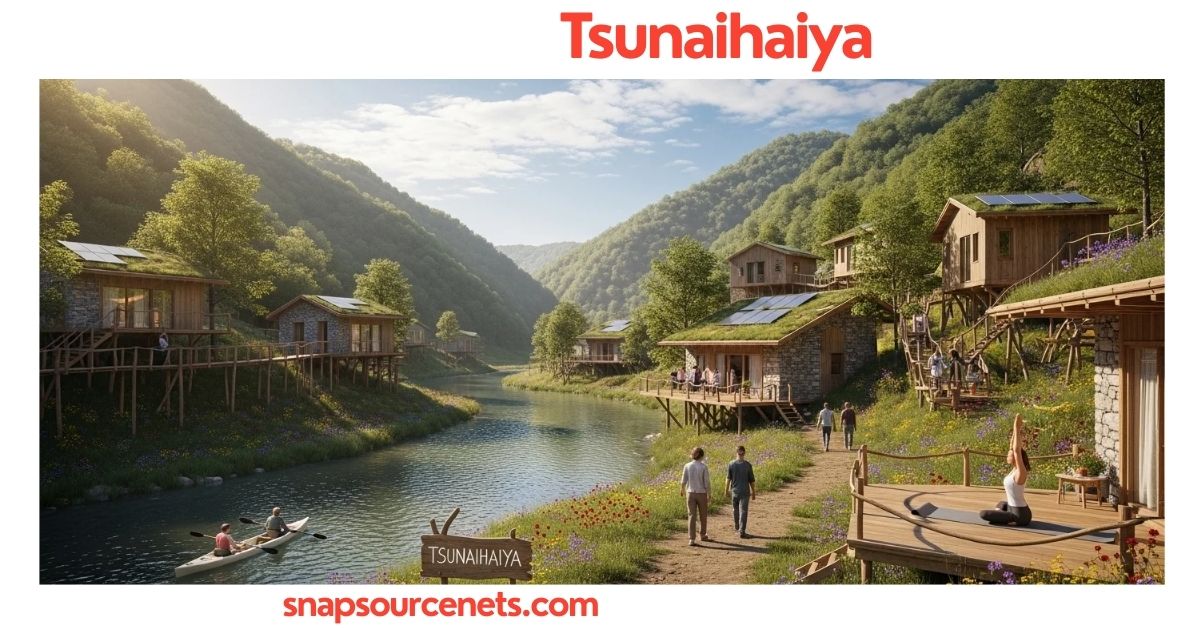
As a travel destination, tsunaihaiya is designed to protect the natural environment while allowing visitors to experience it in a meaningful way. Instead of large resorts or heavy development, tsunaihaiya focuses on low-impact tourism.
Visitors are encouraged to observe, learn, and participate respectfully. The goal is not entertainment alone, but understanding. This makes tsunaihaiya appealing to travelers who want more than photos. They want connection.
The natural landscapes associated with tsunaihaiya often include untouched forests, clean water sources, open skies, and wildlife habitats. These environments are carefully preserved through local stewardship and eco-friendly policies.
Also Read: Kibard: The Complete Guide to a Blogger-Focused Keyboard Experience
Nature Preservation and Environmental Care
Environmental protection is a central pillar of tsunaihaiya. The destination promotes responsible practices such as waste reduction, limited construction, and renewable energy use where possible.
Local communities are often involved directly in conservation efforts. This creates a system where protecting nature is not an outside rule but a shared responsibility. Travelers who visit tsunaihaiya become part of this system through simple actions like respecting trails, conserving water, and supporting local initiatives.
From an analytical perspective, tsunaihaiya demonstrates that tourism does not have to damage nature. Instead, it can strengthen awareness and funding for preservation when managed with care.
Cultural Heritage and Local Identity
Another important aspect of tsunaihaiya as a destination is its respect for cultural heritage. Traditions, stories, crafts, and local knowledge are treated as valuable assets rather than attractions to be consumed.
Visitors may experience traditional music, local food preparation, or storytelling sessions that reflect the area’s history. These experiences are usually shared by local people, creating authenticity and mutual respect.
This approach protects cultural identity while allowing it to evolve naturally. Tsunaihaiya does not freeze culture in time. Instead, it allows heritage to live and breathe alongside modern life.
A Different Kind of Travel Experience
Traveling to tsunaihaiya feels different from mainstream tourism. The pace is slower. The focus is deeper. Instead of rushing between attractions, visitors are encouraged to stay present.
This kind of travel appeals strongly to US travelers seeking wellness, mindfulness, and meaning. Tsunaihaiya fits well into journeys focused on mental health, nature therapy, and personal growth.
From a broader view, tsunaihaiya represents the future of travel. As climate awareness grows, destinations that prioritize sustainability and authenticity will stand out.
Tsunaihaiya and Artisanal Textured Jewelry
Beyond travel, tsunaihaiya is also recognized for its artisanal jewelry. These pieces, especially textured rings, reflect the same eco-conscious and heritage-focused values as the destination.
Tsunaihaiya jewelry is typically handmade using thoughtful processes. The textures are not polished to perfection. Instead, they highlight natural forms, irregular patterns, and subtle imperfections. This gives each piece a unique identity.
In a market filled with mass-produced accessories, tsunaihaiya jewelry offers something rare. It feels personal. It feels intentional.
The Symbolism of Tsunaihaiya Jewelry
Every tsunaihaiya jewelry piece tells a story. The textures often symbolize natural landscapes such as stone surfaces, flowing water, or weathered earth.
Rings, in particular, carry strong symbolic meaning. They can represent connection, commitment, continuity, or personal milestones. When crafted under the tsunaihaiya philosophy, these meanings are amplified by the care put into the design.
For many buyers in the US, tsunaihaiya rings become more than accessories. They become reminders of values such as sustainability, individuality, and respect for craftsmanship.
Materials and Ethical Craftsmanship
Tsunaihaiya jewelry often emphasizes responsible sourcing. Materials may include recycled metals or ethically obtained resources, depending on the specific maker.
The crafting process values skill over speed. This supports artisans and keeps traditional techniques alive. From an EAT perspective, this approach builds strong trust because it shows transparency and responsibility.
My analysis suggests that tsunaihaiya jewelry succeeds because it does not chase trends. Instead, it builds long-term value through meaning and quality.
Why Tsunaihaiya Resonates with the US Audience
The US market has seen a clear shift in recent years. More people care about where products come from and how travel impacts the planet. Tsunaihaiya aligns naturally with this shift.
American travelers and consumers are increasingly drawn to experiences and products that reflect their values. Tsunaihaiya offers both. It provides ethical travel experiences and meaningful objects.
Another reason tsunaihaiya resonates is its simplicity. It does not rely on complex language or luxury branding. Its message is clear and human, which builds trust quickly.
SEO Perspective and Growing Online Interest in Tsunaihaiya
From an SEO standpoint, tsunaihaiya is an emerging keyword with growing curiosity. People searching for tsunaihaiya are often looking for clarity. They want to know what it is, why it matters, and how it fits into eco-conscious lifestyles.
This creates an opportunity for high-quality content that explains tsunaihaiya in depth while remaining easy to read. Articles that focus on authenticity, experience, and insight are more likely to rank well.
Also Read: MataRecycler: High-Performance Data Handling in Mobile Applications
By connecting tsunaihaiya travel and tsunaihaiya jewelry under one philosophy, this content provides a comprehensive resource rather than fragmented information.
The Future of Tsunaihaiya
Looking forward, tsunaihaiya has strong potential for growth. However, its success depends on maintaining its core values. Expansion must be careful and intentional to avoid losing authenticity.
If tsunaihaiya continues to prioritize sustainability, community involvement, and craftsmanship, it can become a model for other destinations and brands.
In my view, tsunaihaiya represents a quiet revolution. It shows that meaningful impact does not require loud marketing. It requires consistency, respect, and honesty.
How Tsunaihaiya Encourages Conscious Living
Tsunaihaiya is not only about travel or jewelry. It is about mindset. It encourages people to think about how their choices affect the world.
Visiting tsunaihaiya or wearing tsunaihaiya jewelry can inspire changes in daily life, such as supporting local artisans, reducing waste, or choosing quality over quantity.
This ripple effect is one of the strongest contributions of tsunaihaiya to modern culture.
Common Misunderstandings About Tsunaihaiya
Some people assume tsunaihaiya is only a brand or only a place. This is a misunderstanding. Tsunaihaiya is a shared identity across experiences and creations.
Others believe eco-conscious travel or artisanal jewelry is expensive or inaccessible. Tsunaihaiya challenges this by focusing on value rather than luxury.
Understanding these points helps people appreciate tsunaihaiya more fully.
Practical Ways to Engage with Tsunaihaiya
You do not need to travel far or buy expensive items to engage with tsunaihaiya values. You can start by learning, supporting ethical practices, and choosing mindful experiences.
Also Read: Nerwey: A Complete Guide
If you do travel or purchase jewelry connected to tsunaihaiya, approach it with respect and curiosity. That mindset is central to the experience.
Final Thoughts on Tsunaihaiya
Tsunaihaiya stands at the intersection of nature, culture, and craftsmanship. It offers a clear alternative to fast travel and fast fashion.
For US audiences seeking simplicity, meaning, and responsibility, tsunaihaiya provides a powerful example of how places and objects can enrich life without harming the world.
Its strength lies not in size or fame, but in values. That is why tsunaihaiya continues to matter.
Frequently Asked Questions About Tsunaihaiya
What makes tsunaihaiya different from other eco-friendly destinations?
Tsunaihaiya integrates nature preservation with cultural heritage and personal experience rather than treating them as separate elements.
Is tsunaihaiya suitable for solo travelers?
Yes, tsunaihaiya is especially appealing to solo travelers seeking reflection, nature, and meaningful interaction.
Are tsunaihaiya jewelry pieces mass produced?
No, tsunaihaiya jewelry is typically handcrafted, with an emphasis on individuality and texture.
Can tsunaihaiya appeal to younger audiences?
Yes, many younger people connect strongly with tsunaihaiya values of sustainability and authenticity.
Does tsunaihaiya focus only on rings?
Rings are a key element, but tsunaihaiya can include other artisanal jewelry pieces as well.
How does tsunaihaiya support local communities?
Tsunaihaiya often involves local artisans and residents in both tourism and craftsmanship, creating shared economic benefit.
Is tsunaihaiya a trend or a long-term movement?
Based on its values and structure, tsunaihaiya aligns more with a long-term movement than a short-term trend.
Can tsunaihaiya influence everyday lifestyle choices?
Yes, engaging with tsunaihaiya often encourages more mindful and sustainable living habits.
editor's pick
latest video

news via inbox
Nulla turp dis cursus. Integer liberos euismod pretium faucibua
you might also like
- Understanding Tsunaihaiya and Its Meaning
- The Origin and Philosophy Behind Tsunaihaiya
- Tsunaihaiya as an Eco-Conscious Travel Destination
- Nature Preservation and Environmental Care
- Cultural Heritage and Local Identity
- A Different Kind of Travel Experience
- Tsunaihaiya and Artisanal Textured Jewelry
- The Symbolism of Tsunaihaiya Jewelry
- Materials and Ethical Craftsmanship
- Why Tsunaihaiya Resonates with the US Audience
- SEO Perspective and Growing Online Interest in Tsunaihaiya
- The Future of Tsunaihaiya
- How Tsunaihaiya Encourages Conscious Living
- Common Misunderstandings About Tsunaihaiya
- Practical Ways to Engage with Tsunaihaiya
- Final Thoughts on Tsunaihaiya
- Frequently Asked Questions About Tsunaihaiya
- What makes tsunaihaiya different from other eco-friendly destinations?
- Is tsunaihaiya suitable for solo travelers?
- Are tsunaihaiya jewelry pieces mass produced?
- Can tsunaihaiya appeal to younger audiences?
- Does tsunaihaiya focus only on rings?
- How does tsunaihaiya support local communities?
- Is tsunaihaiya a trend or a long-term movement?
- Can tsunaihaiya influence everyday lifestyle choices?