

Duaction: The Interactive Approach Blending Action and Learning for Better Productivity and Relationships
In today’s fast-paced, distraction-filled world, people struggle not because they lack information, but because they struggle to turn knowledge into action. This is where duaction becomes powerful. Duaction is an emerging concept that combines doing and learning into a single, interactive process that improves productivity, collaboration, and meaningful relationships. Instead of separating theory from practice, duaction integrates both at the same time, allowing individuals and teams to grow while they work.
- What Is Duaction?
- Why Duaction Matters in the Modern U.S. Workplace
- The Core Principles of Duaction
- Learning Happens Best in Context
- Reflection Is Built into Action
- Collaboration Is Central
- Progress Over Perfection
- Engagement Drives Motivation
- Duaction vs Traditional Learning Models
- How Duaction Boosts Productivity
- Duaction in Team Collaboration
- Duaction and Meaningful Relationships
- Practical Ways to Apply Duaction at Work
- Start Meetings with Action, Not Discussion
- Replace Long Training with Real Projects
- Encourage Immediate Experimentation
- Use Reflection Rounds
- Pair Work and Learning
- Duaction in Leadership
- Model Learning Behavior
- Encourage Questions During Action
- Create Safe Spaces for Experimentation
- Prioritize Doing Over Planning
- Duaction in Education and Training
- Tools That Support Duaction
- Common Mistakes When Trying Duaction
- Duaction for Personal Productivity
- Learn by Doing Immediately
- Use Short Feedback Loops
- Combine Skill Building with Real Tasks
- Reflect Daily
- Real-World Examples of Duaction
- A Startup Team Building a Product
- A Manager Improving Communication
- A Couple Strengthening Their Relationship
- A Student Mastering a Subject
- How Duaction Changes Organizational Culture
- Measuring the Impact of Duaction
- The Future of Work and Duaction
- Conclusion
- FAQs
- What does duaction mean?
- Is duaction a formal theory?
- How can duaction improve workplace productivity?
- Can duaction be used in personal life?
- How is duaction different from experiential learning?
- Do you need special tools to practice duaction?
- Can duaction work for remote teams?
- How do I start practicing duaction today?
Whether in the workplace, education, leadership, or personal development, duaction provides a practical framework for learning through action, reflection, and shared experience. For a U.S. audience navigating hybrid work, digital overload, and evolving team dynamics, understanding duaction can transform how you learn, lead, and connect.
This article explores what duaction really means, why it matters, how it works, and how you can apply it immediately in professional and personal settings.
What Is Duaction?
Duaction is a blended approach where action and learning happen simultaneously rather than sequentially. Traditionally, people learn first and act later. Duaction flips this model by encouraging individuals to learn while doing, creating a dynamic feedback loop between experience and knowledge.
At its core, duaction involves:
- Taking action while actively observing and reflecting
- Learning from real-time experiences rather than theoretical instruction alone
- Collaborating with others in shared, participatory processes
- Using immediate feedback to adjust and improve behavior
- Building relationships through meaningful joint activity
Duaction is not a formal academic theory but a practical mindset and method. It is influenced by experiential learning, agile work practices, reflective thinking, and collaborative engagement.
It emphasizes that learning is not something you pause work to do. Instead, work itself becomes the learning environment.

Source:Jolt vellum
Why Duaction Matters in the Modern U.S. Workplace
American workplaces are evolving rapidly. Remote work, hybrid teams, digital collaboration tools, and constant change require professionals to adapt quickly. Traditional training methods often fail because they separate learning from real work situations.
Duaction addresses several modern challenges:
The Knowledge-Action Gap
Many employees attend training sessions, read books, and watch courses, yet struggle to apply what they learn. Duaction removes this gap by embedding learning directly into work tasks.
Information Overload
People are overwhelmed with content but underwhelmed with practical application. Duaction reduces passive consumption and increases active engagement.
Disconnected Teams
Collaboration tools allow communication, but they do not guarantee meaningful connection. Duaction builds relationships through shared problem-solving and joint action.
Slow Skill Development
Learning through lectures is slower than learning through doing. Duaction accelerates skill acquisition by tying knowledge to immediate experience.
The Core Principles of Duaction
Understanding duaction requires understanding the principles that make it work.
Also Read: Ciulioneros: A Deep Dive into Cultural and Artistic Heritage
Learning Happens Best in Context
People retain more when learning is tied to real situations. When you apply a concept immediately, it becomes part of your practical skillset rather than abstract memory.
Reflection Is Built into Action
Duaction is not chaotic doing. It includes intentional pauses for reflection, feedback, and adjustment.
Collaboration Is Central
Learning together while working builds trust, empathy, and communication.
Progress Over Perfection
Duaction values iteration. You learn by trying, adjusting, and improving, not by waiting until you know everything.
Engagement Drives Motivation
Active participation increases focus, ownership, and satisfaction.
Duaction vs Traditional Learning Models
Traditional learning often follows this pattern:
Learn → Practice later → Hope it applies
Duaction follows this pattern:
Do → Learn while doing → Adjust immediately
In traditional models, learning is passive and delayed. In duaction, learning is active and immediate.
| Traditional Learning | Duaction |
| Separate from work | Embedded in work |
| Theory first | Action first |
| Delayed application | Immediate application |
| Individual focus | Collaborative focus |
| Slow feedback | Real-time feedback |
This shift makes duaction particularly relevant for modern professionals.
How Duaction Boosts Productivity
Duaction improves productivity not by making people work harder, but by making their work more intelligent and adaptive.
Reduces Wasted Time
Instead of spending hours planning or learning without action, you begin with action and refine as you go.
Improves Decision-Making
Real-time learning sharpens judgment because you see results immediately.
Encourages Ownership
When people learn through doing, they take more responsibility for outcomes.
Builds Momentum
Action generates energy. Energy sustains motivation.
Duaction in Team Collaboration
Teams often struggle because members operate in silos. Duaction creates shared experiences that naturally improve collaboration.
Joint Problem-Solving
Teams tackle real problems together while learning from the process.
Shared Language
As teams reflect on actions, they develop common understanding and communication styles.
Trust Through Participation
Working and learning together builds psychological safety.
Faster Alignment
Instead of long meetings, teams align through shared action.
Duaction and Meaningful Relationships
Duaction is not only for workplaces. It also applies to personal relationships, friendships, and families.
Learning Through Shared Experiences
Traveling, building projects, volunteering, or cooking together create deeper bonds than conversations alone.
Active Listening in Action
People understand each other better when engaged in joint activity.
Growth Together
Duaction encourages people to grow alongside each other rather than separately.
Practical Ways to Apply Duaction at Work
Start Meetings with Action, Not Discussion
Begin by working on the problem rather than talking about it.
Replace Long Training with Real Projects
Teach skills while employees perform real tasks.
Encourage Immediate Experimentation
After introducing a concept, ask people to try it immediately.
Use Reflection Rounds
After completing a task, ask: What worked? What didn’t? What did we learn?
Pair Work and Learning
Let team members collaborate while learning new tools or processes.
Also Read: NLPadel: The Complete Guide to the Growing Padel Ecosystem in the Netherlands
Duaction in Leadership
Leaders who adopt duaction create learning organizations.
Model Learning Behavior
Leaders learn publicly while working.
Encourage Questions During Action
Not before, not after, but during.
Create Safe Spaces for Experimentation
Mistakes become learning moments.
Prioritize Doing Over Planning
Action drives clarity.
Duaction in Education and Training
Teachers and trainers can transform learning by integrating duaction.
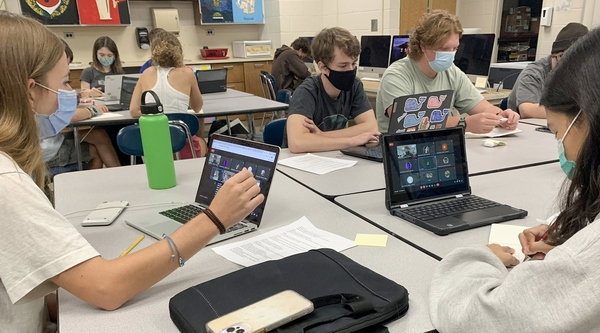
Project-Based Learning
Students learn concepts while building real projects.
Source: Next Generation Learning Challenges
Peer Collaboration
Learning through group action.
Reflection Journals
Students record what they learn while doing.
Immediate Application
No delayed assignments; instant practice.
Tools That Support Duaction
Technology can enhance duaction when used correctly.
- Collaboration tools for real-time work
- Shared documents for joint creation
- Feedback platforms for reflection
- Task management tools for iterative progress
The key is not the tool but how it is used to blend action and learning.
Common Mistakes When Trying Duaction
Mistaking Activity for Learning
Without reflection, action alone is not duaction.
Overplanning
Duaction requires starting before everything is clear.
Avoiding Feedback
Learning requires honest evaluation.
Working Alone
Duaction thrives in collaboration.
Duaction for Personal Productivity
Individuals can apply duaction daily.
Learn by Doing Immediately
Read less, apply more.
Use Short Feedback Loops
Adjust quickly.
Combine Skill Building with Real Tasks
Practice skills while working on real goals.
Reflect Daily
Ask what you learned today through action.
Real-World Examples of Duaction
A Startup Team Building a Product
They learn market needs while creating prototypes.
A Manager Improving Communication
Practices new techniques during real meetings.
A Couple Strengthening Their Relationship
Works on projects together instead of only talking.
A Student Mastering a Subject
Builds projects instead of memorizing notes.
How Duaction Changes Organizational Culture
Organizations that adopt duaction become:
- More adaptive
- More collaborative
- Faster at learning
- More innovative
- More engaged
Learning becomes part of daily work rather than a separate event.
Also Read: “Reviews LetWomensPeakCom: Honest User Feedback, Safety, and Content Analysis”
Measuring the Impact of Duaction
You can observe duaction’s impact through:
- Faster problem resolution
- Increased engagement
- Stronger teamwork
- Higher retention of knowledge
- Better morale
The Future of Work and Duaction
As workplaces become more dynamic, duaction aligns perfectly with agile methodologies, remote collaboration, and continuous learning cultures.
The future favors those who can learn while acting.
Conclusion
Duaction is a simple but powerful concept: learn while doing, and do while learning. By blending action with reflection and collaboration, duaction transforms how individuals work, teams cooperate, and relationships grow.
In a world overwhelmed with information but starving for meaningful application, duaction offers a practical path forward. It improves productivity not by adding more tasks, but by making every task a learning opportunity. It deepens relationships not through words alone, but through shared action. It strengthens teams not through meetings, but through collaboration in motion.
Adopting duaction means shifting from passive learning to active engagement. It means embracing progress over perfection and understanding that the best way to learn is to begin.
FAQs
What does duaction mean?
Duaction means combining action and learning into a single, interactive process where you learn while doing rather than separating the two.
Is duaction a formal theory?
Duaction is more of a practical framework influenced by experiential learning and collaborative work methods rather than a formal academic theory.
How can duaction improve workplace productivity?
By reducing the gap between learning and application, duaction makes work more efficient and adaptive.
Can duaction be used in personal life?
Yes, duaction strengthens relationships and personal growth through shared activities and real-time learning.
How is duaction different from experiential learning?
Experiential learning focuses on learning from experience, while duaction emphasizes simultaneous action, reflection, and collaboration.
Do you need special tools to practice duaction?
No. Tools can help, but the key is the mindset of learning through action.
Can duaction work for remote teams?
Yes, remote teams can use shared projects, live collaboration, and reflection practices to apply duaction.
How do I start practicing duaction today?
Start by applying what you learn immediately, working collaboratively, and reflecting on your actions daily.
editor's pick
latest video

news via inbox
Nulla turp dis cursus. Integer liberos euismod pretium faucibua