Anheihe: A Complete Guide to China’s Hidden Mountain Gem
Anheihe is a little-known destination tucked deep within the mountains of China that offers an untouched blend of serene landscapes, traditional culture, and rich biodiversity. This article explains everything you need to know about anheihe, including its geography, culture, travel tips, history, nature, and why it deserves attention from global travelers. The goal is to go beyond what is already online and provide a clearer picture of anheihe for a US audience in simple English.
- What Is Anheihe?
- Geography and Natural Setting
- History of Anheihe
- Culture and Local Life
- Biodiversity and Environment
- How to Get to Anheihe
- Best Time to Visit Anheihe
- Things to Do in Anheihe
- Food and Cuisine
- Accommodation Options
- Sustainable Tourism and Conservation
- Challenges Facing Anheihe
- Why Anheihe Matters
- Planning Your Trip to Anheihe
- Frequently Asked Questions (FAQs)
- What does “Anheihe” mean?
- Is Anheihe easy to reach?
- What language is spoken in Anheihe?
- Are there luxury hotels in Anheihe?
- Can I visit Anheihe year‑round?
- What should I pack for a trip to Anheihe?
- Is it safe to travel in Anheihe?
- Are there guided tours available?
- Final Thoughts
This guide is optimized for search engines and written with clear explanations so it can rank highly for the keyword anheihe and related search terms. By the end of this article, you will understand what makes Anheihe unique, how to plan a visit, and why this destination is gaining attention among travelers who want off‑the‑beaten‑path experiences.
What Is Anheihe?
Anheihe is a mountain village and natural area located in a remote region of China. The name “Anheihe” can be translated as “Peaceful River,” reflecting the calm, slow‑moving rivers and streams that run through its valleys. Unlike popular Chinese cities and tourist sites, Anheihe remains largely undiscovered by international travelers. This gives it a raw, authentic atmosphere that many modern destinations have lost.
Anheihe is known for:
- Peaceful mountain landscapes
- Traditional culture and lifestyle
- Clear rivers and rich forests
- Rare plants and wildlife
- Agricultural villages and terrace fields
While many people have never heard of anheihe, it has the potential to become one of China’s next great natural destinations.

Source: Freepik
Geography and Natural Setting
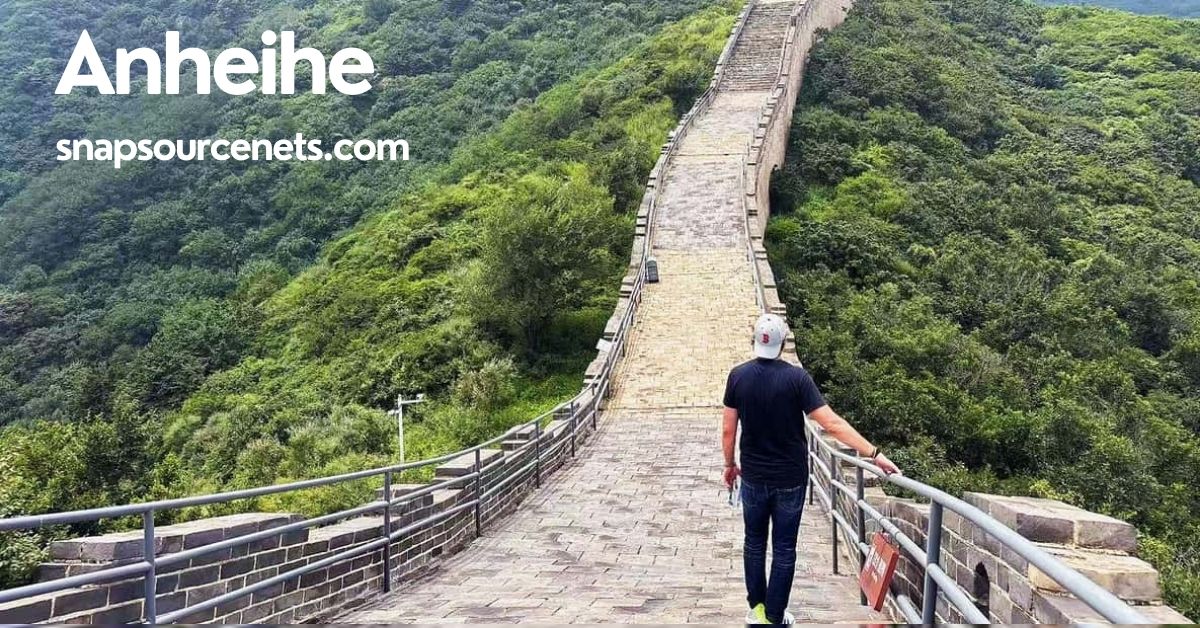
Anheihe sits high in the mountains, surrounded by deep valleys and forests. The region’s landscape is mostly made up of:
- Tall mountain peaks
- Slow‑flowing rivers and streams
- Forested slopes
- Terrace farms on steep hillsides
The terrain makes the area both beautiful and difficult to reach. Roads are narrow and winding, and large tour buses rarely enter the region. This isolation has protected the environment and preserved the traditional lifestyle of the local people.
Also read: Kotora Melnkalne: A Complete Guide to Montenegro’s Scenic Coastal Town
The river that runs through the area is the heart of anheihe. It shapes the valleys and supports the plants, animals, and people who live here. Visitors often find the sound of flowing water relaxing and soothing, adding to the peaceful atmosphere.
History of Anheihe
Although detailed historical records about anheihe are limited, local historians believe the area has been inhabited for hundreds of years. Small farming communities developed along the river valleys because the land was fertile and the water plentiful. Over generations, people learned how to farm on steep slopes and live in harmony with the natural environment.
The history of Anheihe is tied to traditional Chinese culture. Rice, tea, and other crops were cultivated using simple tools and local knowledge. Many of the old houses and farm terraces still stand today as evidence of how people lived long before modern technology reached the region.
Unlike famous Chinese historical sites, Anheihe’s history is not defined by emperors or wars. Instead, it is a history of ordinary people, community life, and adaptation to the natural world.
Culture and Local Life
The people of Anheihe live in small villages that have remained relatively unchanged for decades. Local culture includes traditional festivals, music, dance, and craftwork. Life here is slower than in cities. Villagers wake early to work in the fields, prepare local food, and care for livestock.
Visitors to Anheihe may experience:
- Traditional village architecture
- Local farming practices
- Daily life routines that reflect ancient customs
- Handicrafts made by villagers
- Home‑cooked meals using locally grown ingredients
The culture of anheihe is rooted in respect for nature and community. People here rely on one another and celebrate seasonal changes with local festivals. These traditions give visitors a deeper understanding of rural life in China.
Biodiversity and Environment
One of the most valuable aspects of Anheihe is its biodiversity. Because it is remote and relatively untouched by industrial development, the region has many plant and animal species that are rare or difficult to find elsewhere.
The forests around Anheihe include native tree species, medicinal herbs, and wild flowers. Birdwatchers may spot unique bird species during different seasons. Small mammals, insects, and aquatic life thrive in the rivers and streams.
Environmentally, Anheihe is important because:
- It supports rare plant and animal life
- It serves as a natural watershed for surrounding regions
- It maintains clean air and water due to limited pollution
- It preserves traditional agricultural ecosystems
Scientists, conservationists, and eco‑tourists are increasingly interested in such regions because they represent what the natural world looked like before mass tourism and urban growth.
How to Get to Anheihe
Reaching Anheihe is part of the adventure because it is not a mainstream tourist destination with direct flights or express trains. Here are typical steps that travelers follow:
- Fly into a major Chinese city such as Beijing, Shanghai, or Chengdu.
- Take a domestic flight or train closer to the province where Anheihe is located.
- From the nearest city, take a local bus, private car, or guided tour that travels to the mountains.
Travelers should prepare for longer travel times and winding mountain roads. The journey is worth it for those who love nature and authentic cultural experiences.
English‑speaking visitors may find limited language support in the region, so basic Mandarin phrases or a bilingual guide can be helpful.
Best Time to Visit Anheihe
The best time to visit depends on what you want to experience:
- Spring (March to May) – Mild weather; flowers begin to bloom; perfect for nature walks.
- Summer (June to August) – Warm weather; lush green landscapes; rivers ideal for relaxing by the water.
- Autumn (September to November) – Cool weather; brilliant fall colors on the hillsides; harvest festivals.
- Winter (December to February) – Cold weather; possibility of snow; quieter tourism season.
Each season offers unique views, so visitors may plan their trip based on weather preferences and activities they want to enjoy.
Things to Do in Anheihe
Hiking and Nature Walks
Hiking is one of the most popular activities in anheihe. Trails range from easy walks through village fields to challenging climbs up forested mountain paths. Hikes turn into opportunities to observe wildlife, discover hidden waterfalls, and enjoy panoramic views of the valleys.
River Activities
The peaceful river is central to the experience of being in Anheihe. Visitors can relax by the water, picnic on riverbanks, or, where safe, swim in shallow sections. The sound of flowing water creates an atmosphere of calm and reflection.
Also read: Hyperfiksaatio: A Complete, Easy-to-Understand Guide to Hyperfixation
Cultural Immersion
Spending time in local villages provides insight into rural life. Travelers can:
- Visit family‑run farms
- Participate in traditional cooking
- Attend cultural events or festivals
- Buy local handicrafts
These experiences deepen understanding of daily life in an area largely unchanged by globalization.
Photography and Wildlife Observation
Photography is a major draw for visitors. The landscapes are dramatic and often untouched by signs of modern life. Wildlife can be observed from a respectful distance, adding to the sense of adventure.
Food and Cuisine
Food in Anheihe is simple and based on local ingredients. Meals typically include fresh vegetables, rice, locally caught fish, and seasonal herbs. Because ingredients are not imported, food here reflects the natural rhythms of the region.
Visitors may enjoy:
- Home‑cooked meals with villagers
- Tea made from locally grown leaves
- Fresh mountain vegetables
The cuisine is healthy, fresh, and rooted in tradition, offering tastes that are very different from fast food and urban dining experiences.
Accommodation Options
Accommodations in anheihe are mostly small guesthouses, family‑run inns, and eco‑lodges. These places offer a way to experience local life while enjoying basic comfort. Sleeping accommodations may include features such as:
- Shared bathrooms
- Traditional architectural design
- Views of the mountains or river
- Locally sourced meals included
Luxury hotels are rare, so visitors who want high‑end amenities may need to stay in nearby cities and make day trips.
Sustainable Tourism and Conservation
Because Anheihe is still pristine, it is important for visitors to follow sustainable tourism principles. This means:
- Respecting local customs and traditions
- Keeping nature clean (no littering)
- Supporting local businesses
- Reducing plastic and waste
- Avoiding damage to plants and wildlife
Travel that respects the environment helps preserve anheihe for future generations and supports the local economy without harming the land.
Challenges Facing Anheihe
Like many rural natural areas, Anheihe faces challenges, including:
- Limited infrastructure and transportation
- Language barriers for international travelers
- Pressure from tourism development
- Environmental protection concerns
Balancing tourism growth with environmental protection is key to preserving what makes anheihe special.
Why Anheihe Matters
Anheihe represents a part of the world that is not yet dominated by commercial tourism. It offers lessons in:
- Living in harmony with nature
- Preserving cultural traditions
- Protecting biodiversity
- Finding peace in quiet places
For travelers who want more than crowded tourist spots and Instagram photos, Anheihe offers depth, reflection, and real human connection.
Planning Your Trip to Anheihe
When planning a trip to anheihe, consider the following steps:
- Research visa requirements for China.
- Book flights to a major city with connections to the region.
- Hire a local guide or translator if possible.
- Pack outdoor gear for hiking and weather changes.
- Respect local customs and dress modestly in villages.
- Prepare for limited internet and phone access in remote areas.
Good planning will make the journey smoother and help visitors enjoy everything this region has to offer.
Frequently Asked Questions (FAQs)
What does “Anheihe” mean?
Anheihe translates roughly to “Peaceful River,” reflecting the calm waterways that define the landscape of this region.
Is Anheihe easy to reach?
No, Anheihe is remote and requires multiple forms of transportation, including flights and local roads. The journey is part of the adventure.
What language is spoken in Anheihe?
Mandarin Chinese is the primary language. Local dialects may also be used. English is not widely spoken, so translation help can be useful.
Are there luxury hotels in Anheihe?
Luxury hotels are rare. Most visitors stay in small guesthouses or family‑run inns that offer basic comfort and cultural immersion.
Can I visit Anheihe year‑round?
Yes, but the best time depends on weather preferences. Spring and autumn are often most pleasant for outdoor activities.
What should I pack for a trip to Anheihe?
Pack sturdy hiking shoes, layered clothing, rain gear, basic medical supplies, and items for remote travel like power banks.
Is it safe to travel in Anheihe?
Yes, the region is generally safe. However, remote travel always requires caution, especially on mountain roads and uneven trails.
Are there guided tours available?
Guided tours are limited but can be arranged through travel agencies that specialize in rural or eco‑tourism.
Final Thoughts
Anheihe is a rare gem in China’s landscape. It has everything that nature lovers, cultural travelers, and curious adventurers seek: peaceful rivers, mountain air, rich biodiversity, and communities that hold onto long‑standing traditions. The journey to Anheihe may not be easy, but it is rewarding.
If you are looking for a destination that goes beyond typical tourist spots, anheihe should be on your list. By exploring this hidden mountain region, you connect with the rhythms of nature, discover simple yet meaningful ways of life, and help support communities that hold valuable traditions. This is what travel should be about.
This article has provided an in‑depth look at Anheihe that goes beyond typical descriptions found online. With clear headings, rich details, and practical travel tips, you now have the information needed to appreciate and plan for a visit to this remarkable place.
editor's pick
latest video

news via inbox
Nulla turp dis cursus. Integer liberos euismod pretium faucibua