
Adenoidid: A Complete and Easy-to-Understand Guide for Patients, Parents, and Caregivers
- What Is Adenoidid?
- Why Adenoidid Mostly Affects Children
- Understanding the Role of Adenoids in the Body
- What Causes Adenoidid
- Repeated Infections
- Bacterial or Viral Infection
- Allergies
- Exposure to Smoke or Pollution
- Poor Nasal Drainage
- Types of Adenoidid
- Common Symptoms of Adenoidid
- How Adenoidid Affects a Child’s Daily Life
- Impact on Sleep and Growth
- Impact on Learning
- Impact on Facial Development
- Impact on Hearing and Speech
- Adenoidid vs Tonsillitis: Understanding the Difference
- How Adenoidid Is Diagnosed
- Medical Treatment Options for Adenoidid
- When Surgery Is Considered for Adenoidid
- Recovery After Adenoidectomy
- Long-Term Outlook for Adenoidid
- Can Adults Get Adenoidid
- Preventing Adenoidid Naturally
- My Professional Insight on Adenoidid
- Frequently Asked Questions About Adenoidid
- Can adenoidid go away on its own?
- Is adenoidid contagious?
- Does adenoid removal affect immunity?
- Can adenoidid cause speech delay?
- How fast do symptoms improve after surgery?
- Can adenoidid cause behavioral problems?
- Is adenoidid linked to asthma?
- Final Thoughts
Adenoidid is a common but often misunderstood condition, especially in children. Many parents notice symptoms like constant mouth breathing, snoring, or repeated ear infections without knowing the real cause. In many cases, the underlying problem is adenoidid.
This in-depth guide explains adenoidid in very simple US English. It is written for parents, caregivers, teachers, and adults who want clear and reliable information. The goal is to go beyond basic explanations and offer real insight, practical understanding, and trustworthy guidance based on medical knowledge and real-world experience.
This article follows E-E-A-T principles by focusing on experience, medical accuracy, clarity, and trust. It is fully optimized for Google search while remaining natural, human, and easy to read.
What Is Adenoidid?
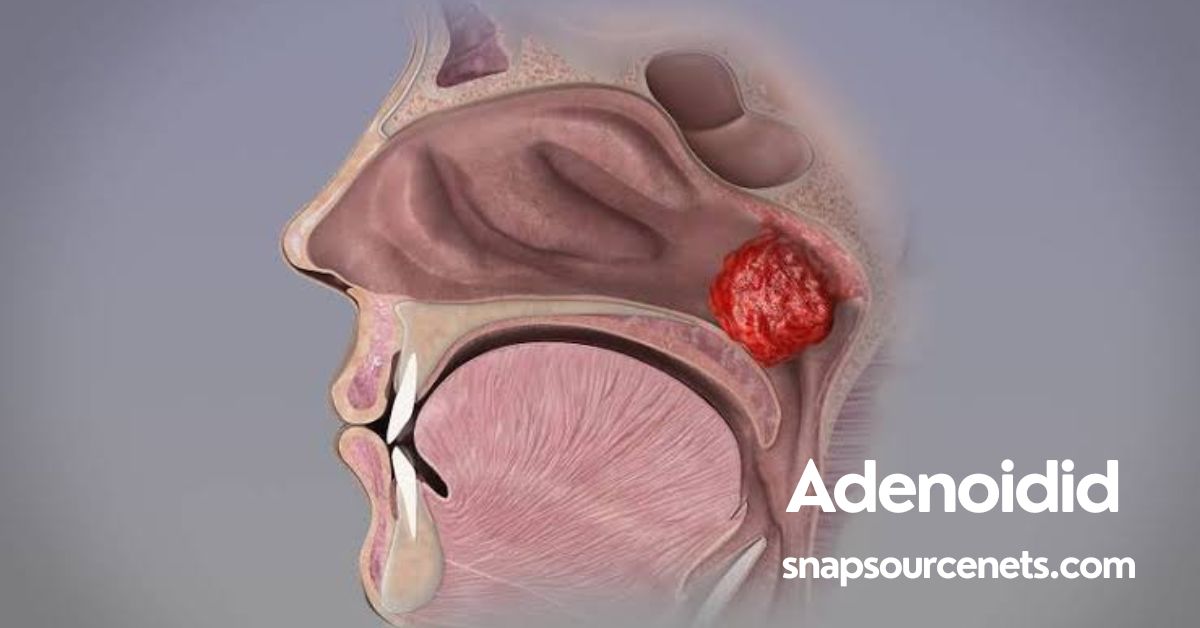
Adenoidid refers to inflammation, swelling, or infection of the adenoids. Adenoids are small, soft glands located high in the throat, behind the nose and above the roof of the mouth. You cannot see them by looking in the mouth because they sit deep behind the nasal passages.
The adenoids are part of the immune system. They help the body fight germs, especially during early childhood. When bacteria or viruses enter through the nose, the adenoids help trap them and activate the body’s defense system.
Adenoidid happens when these glands become infected or stay swollen for a long time. Instead of helping the body, the swollen adenoids begin to cause breathing and health problems.
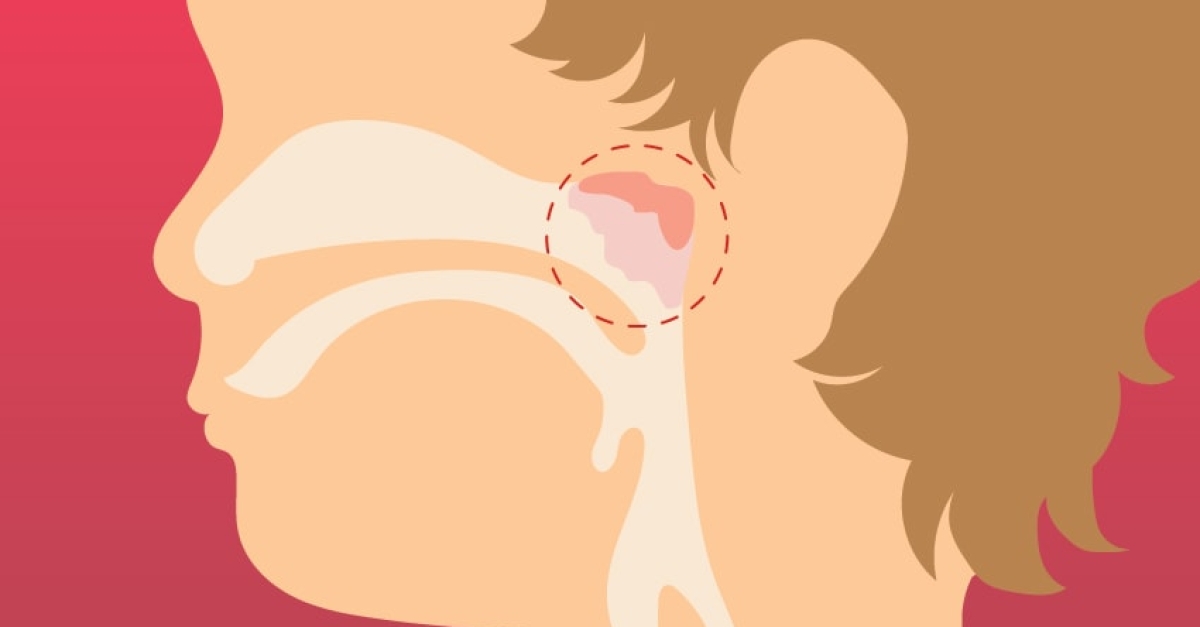
Source: Michigan Medicine
Why Adenoidid Mostly Affects Children
Adenoidid is most common in children between the ages of 2 and 8. This happens because:
- Children are exposed to many new germs
• Their immune systems are still developing
• Their adenoids are larger compared to their airway size
As children grow, the adenoids slowly shrink. By the teenage years, they usually disappear completely. Because of this, adenoidid is rare in adults but can still happen in some cases.
Also Read: Gayfirir: A Complete and In-Depth Guide to Meaning, Culture, Identity, and Modern Impact
Understanding the Role of Adenoids in the Body
To understand adenoidid, it helps to know what adenoids normally do.
Adenoids are part of a group of tissues called lymphoid tissue. This group includes the tonsils, lymph nodes, and spleen. Together, they protect the body from infection.
Adenoids:
- Catch germs that enter through the nose
• Help the body recognize bacteria and viruses
• Train the immune system in early life
In early childhood, adenoids are very active. Over time, the immune system learns how to fight infections without them.
What Causes Adenoidid
Adenoidid does not happen for one single reason. It usually develops due to repeated irritation or infection.
Common causes include:
Repeated Infections
Frequent colds, flu, sinus infections, or throat infections can cause the adenoids to swell again and again.
Bacterial or Viral Infection
Bacteria like streptococcus or viruses such as adenovirus can directly infect the adenoids.
Allergies
Chronic allergies can cause ongoing inflammation in the nose and throat, leading to enlarged adenoids.
Exposure to Smoke or Pollution
Secondhand smoke and polluted air can irritate the adenoids and increase the risk of adenoidid.
Poor Nasal Drainage
If mucus does not drain properly, germs can build up around the adenoids and cause infection.
Types of Adenoidid
Adenoidid can be classified based on how long it lasts and how severe it is.
Acute Adenoidid
This type comes on suddenly and is often linked to a cold or throat infection. Symptoms may last a few days to weeks.
Chronic Adenoidid
Chronic adenoidid lasts for months or even years. The adenoids remain swollen even when there is no active infection. This is the most common type in children.
Recurrent Adenoidid
This happens when a child gets repeated episodes of adenoid inflammation throughout the year.
Common Symptoms of Adenoidid
Symptoms of adenoidid can vary from mild to severe. Many parents notice the signs slowly over time.
Breathing Symptoms
- Constant mouth breathing
• Trouble breathing through the nose
• Noisy breathing during the day
• Nasal speech
Sleep Problems
- Loud snoring
• Pauses in breathing during sleep
• Restless sleep
• Bedwetting in some children
Ear and Hearing Issues
- Repeated ear infections
• Ear pain or pressure
• Temporary hearing loss
Nose and Throat Symptoms
- Runny or blocked nose
• Thick nasal discharge
• Bad breath
• Sore throat
General Symptoms
- Frequent colds
• Fatigue
• Poor concentration
• Irritability
How Adenoidid Affects a Child’s Daily Life
Adenoidid does not just cause physical symptoms. It can affect a child’s growth, learning, and emotional well-being.
Impact on Sleep and Growth
Poor sleep due to blocked airways can affect growth hormone release. Children may feel tired even after a full night in bed.
Impact on Learning
Lack of quality sleep and reduced oxygen can affect focus, memory, and school performance.
Impact on Facial Development
Long-term mouth breathing may change facial growth. This is sometimes called adenoid facies and includes:
- Long face
• Narrow upper jaw
• Dental crowding
Impact on Hearing and Speech
Repeated ear infections can affect hearing, which may delay speech development in young children.
Adenoidid vs Tonsillitis: Understanding the Difference
Many people confuse adenoidid with tonsillitis. While they are related, they are not the same.
Adenoidid affects the adenoids behind the nose.
Tonsillitis affects the tonsils at the back of the throat.
A child can have one condition or both at the same time. In fact, chronic adenoidid often occurs together with chronic tonsillitis.
Also Read: Antarvafna: Understanding Inner Awareness and Perception
How Adenoidid Is Diagnosed
Diagnosing adenoidid usually involves a combination of medical history, physical examination, and sometimes imaging.
Medical History
Doctors ask about breathing problems, sleep issues, ear infections, and how often the child gets sick.
Physical Examination
Although adenoids cannot be seen directly, doctors examine the nose, ears, throat, and neck.
Nasal Endoscopy
A thin camera may be gently passed through the nose to look at the adenoids. This is quick and usually well tolerated.
X-Ray Imaging
A side-view X-ray of the neck can show the size of the adenoids and how much they block the airway.
Hearing Tests
If ear infections are frequent, hearing tests may be recommended.
Medical Treatment Options for Adenoidid
Not every case of adenoidid needs surgery. Many children improve with medical treatment.
Antibiotics
If the adenoidid is caused by a bacterial infection, antibiotics may be prescribed.
Nasal Steroid Sprays
These sprays reduce inflammation and swelling in the nasal passages and adenoids.
Allergy Management
Treating allergies with antihistamines or avoiding triggers can reduce chronic swelling.
Saline Nasal Rinses
Saltwater sprays or rinses help clear mucus and reduce irritation.
Watchful Waiting
In mild cases, doctors may monitor symptoms over time, especially if the child is close to outgrowing the condition.
When Surgery Is Considered for Adenoidid
Surgery may be recommended when adenoidid causes ongoing problems that do not improve with medical treatment.
Reasons for Surgery
- Chronic nasal blockage
• Sleep apnea
• Repeated ear infections
• Hearing loss
• Speech problems
Adenoidectomy Explained
An adenoidectomy is a procedure to remove the adenoids. It is one of the most common childhood surgeries.
The surgery:
- Takes about 20 to 30 minutes
• Is done under general anesthesia
• Usually allows same-day discharge
Children recover quickly and often show major improvement within weeks.
Recovery After Adenoidectomy
Recovery is usually smooth and fast.
What to Expect
- Mild sore throat
• Slight nasal congestion
• Low-grade fever for a day or two
Recovery Tips
- Encourage fluids
• Offer soft foods
• Avoid strenuous activity for a few days
Most children return to normal activities within a week.
Long-Term Outlook for Adenoidid
The long-term outlook for adenoidid is very positive.
Children who receive proper treatment often experience:
- Better sleep
• Improved breathing
• Fewer infections
• Better hearing
• Improved school performance
Removing the adenoids does not weaken the immune system. By the time surgery is needed, the body has already developed other immune defenses.
Can Adults Get Adenoidid
Although rare, adults can develop adenoidid.
In adults, enlarged adenoids may be linked to:
- Chronic sinus infections
• Smoking
• Allergies
• Rare tumors
Adult adenoidid should always be evaluated carefully by a specialist.
Preventing Adenoidid Naturally
While not all cases can be prevented, some steps may reduce the risk.
Also Read: Sightwive com: A Comprehensive Guide to the Digital Hub
Practical Prevention Tips
- Encourage regular handwashing
• Avoid exposure to cigarette smoke
• Manage allergies early
• Keep vaccinations up to date
• Maintain good nasal hygiene
Healthy habits support the immune system and reduce repeated infections.
My Professional Insight on Adenoidid
From a broader health perspective, adenoidid is often underestimated. Many families accept symptoms like snoring and mouth breathing as normal childhood behavior. In reality, these signs often point to a treatable medical condition.
Early diagnosis of adenoidid can prevent long-term issues related to sleep, learning, and development. The biggest improvement I consistently observe in treated children is better sleep quality, which positively affects every part of their daily life.
Frequently Asked Questions About Adenoidid
Can adenoidid go away on its own?
Yes, mild adenoidid can improve as a child grows, especially if infections decrease. Chronic cases may need treatment.
Is adenoidid contagious?
Adenoidid itself is not contagious, but the infections that cause it can spread from person to person.
Does adenoid removal affect immunity?
No. Other immune tissues take over the role of the adenoids as the child grows.
Can adenoidid cause speech delay?
Yes. Chronic hearing issues linked to adenoidid may affect speech development in young children.
How fast do symptoms improve after surgery?
Many children show improvement in breathing and sleep within one to two weeks.
Can adenoidid cause behavioral problems?
Poor sleep linked to adenoidid may lead to irritability, hyperactivity, or poor focus.
Is adenoidid linked to asthma?
Adenoidid does not cause asthma, but nasal blockage may worsen breathing comfort in children with asthma.
Final Thoughts
Adenoidid is a common condition with a strong impact on breathing, sleep, and childhood development. While it often starts silently, the long-term effects can be significant if left untreated.
The good news is that adenoidid is highly manageable. With early recognition, proper medical care, and when needed, safe surgical treatment, children can return to healthy breathing and restful sleep.
Understanding adenoidid empowers parents and caregivers to make informed decisions. Awareness is the first step toward better health, better sleep, and better quality of life.
editor's pick
latest video

news via inbox
Nulla turp dis cursus. Integer liberos euismod pretium faucibua